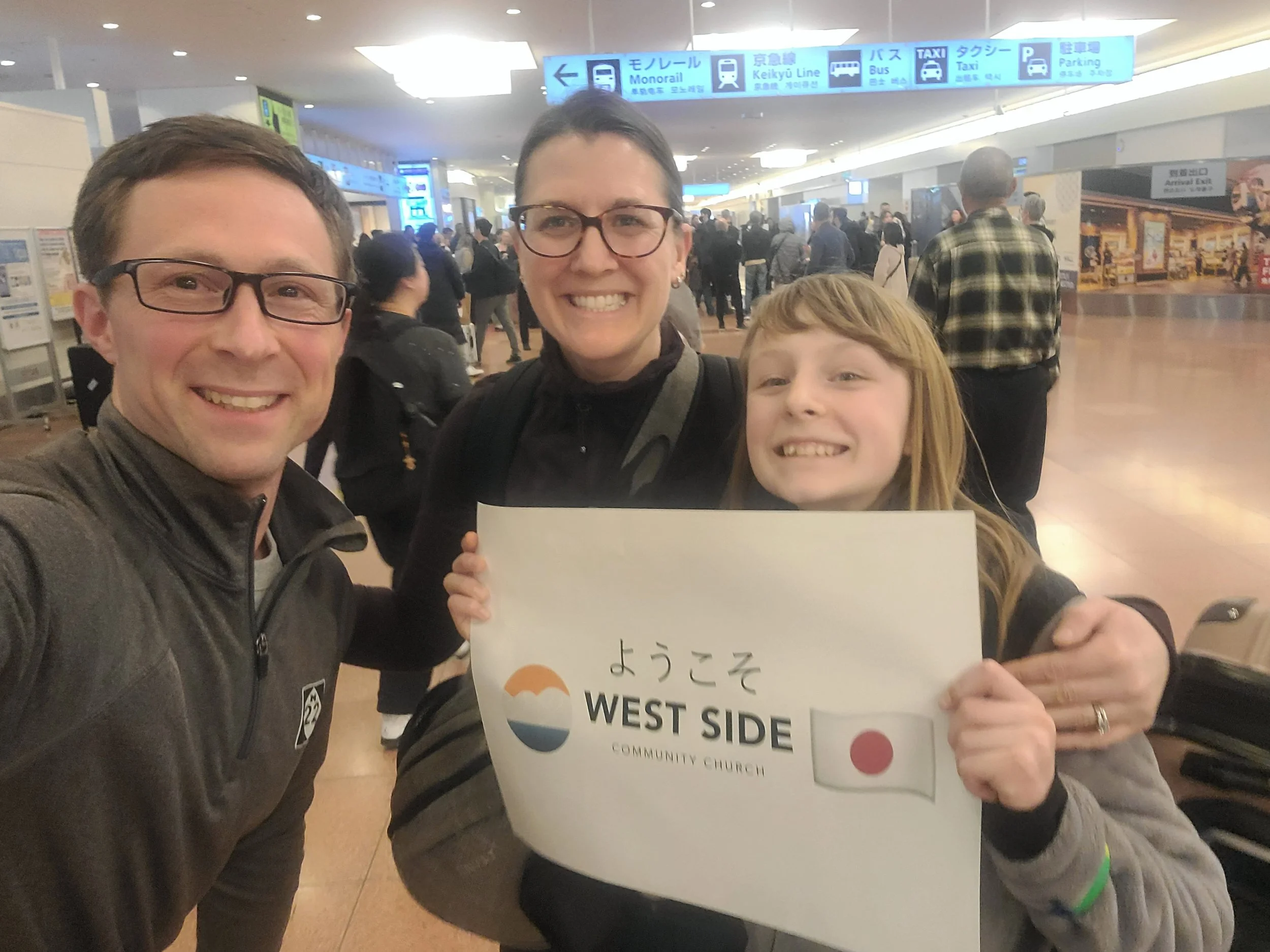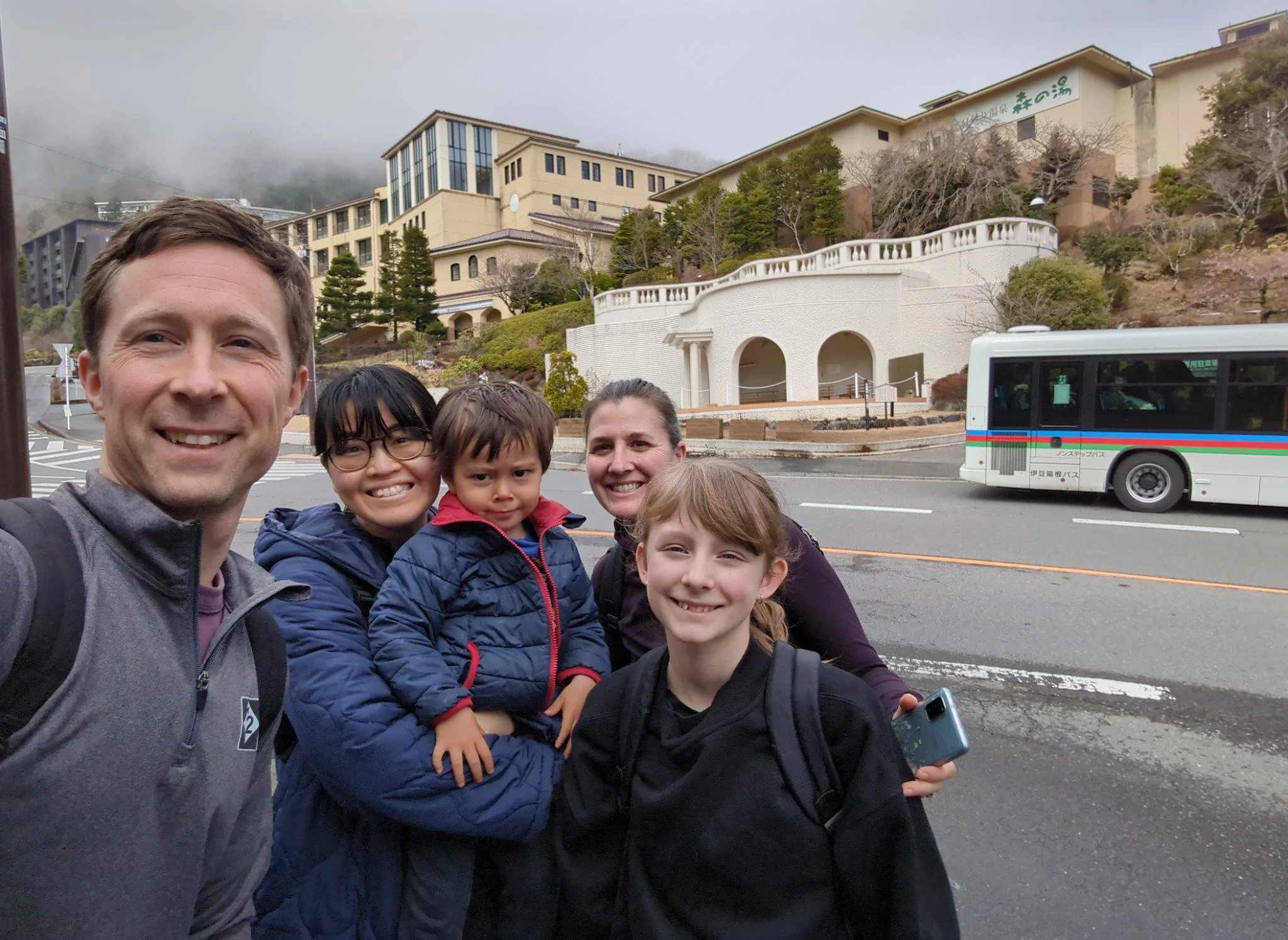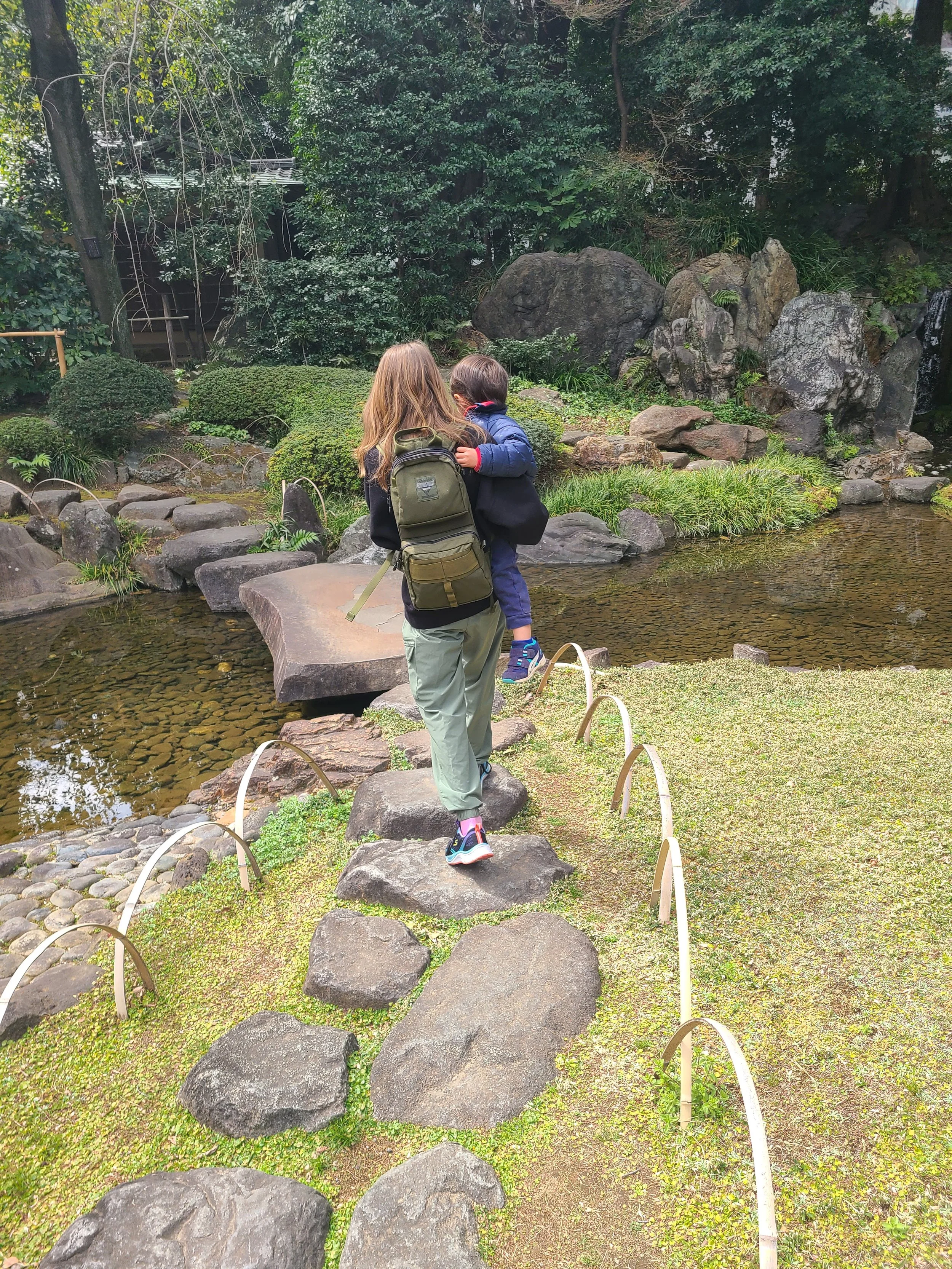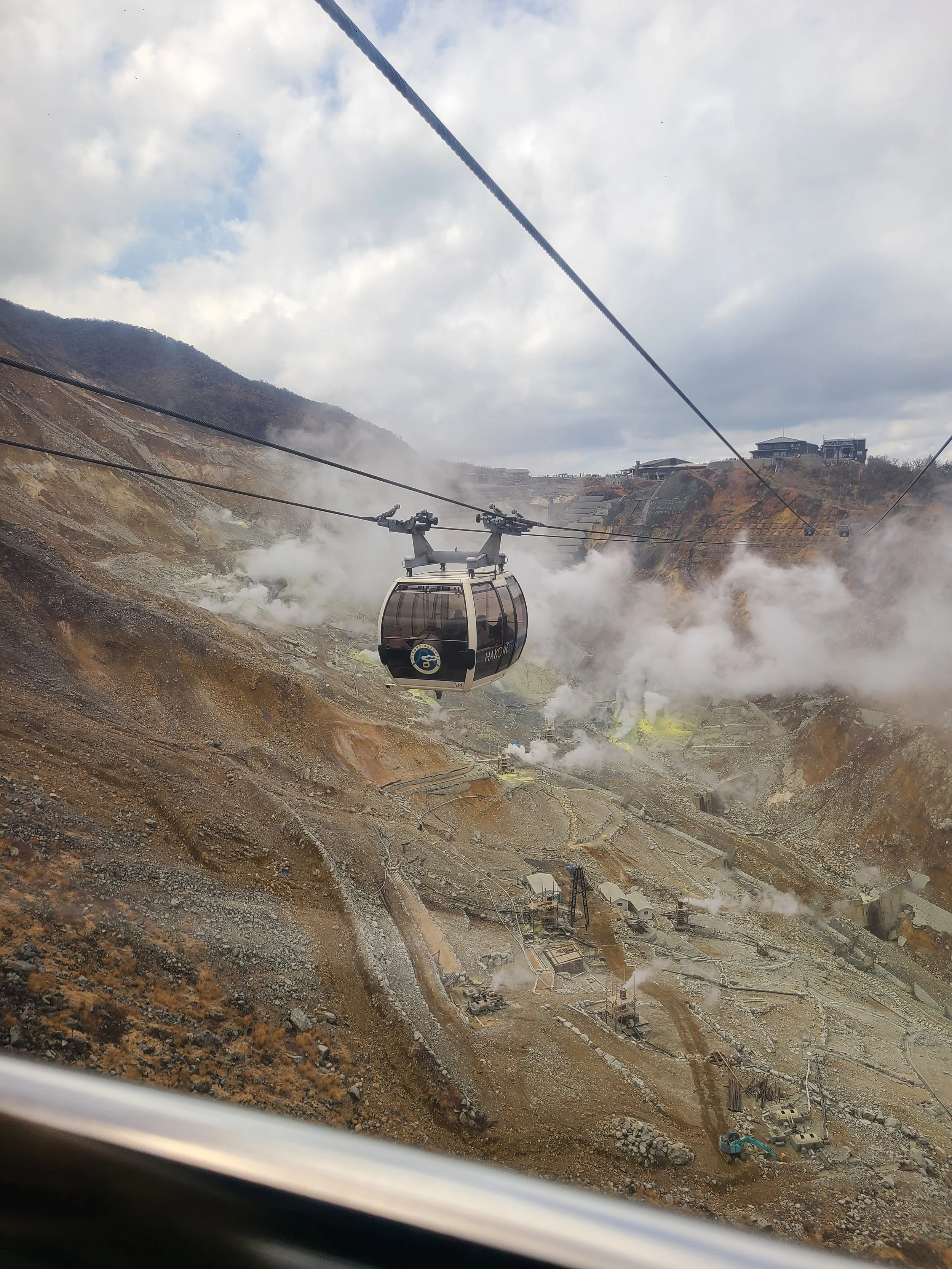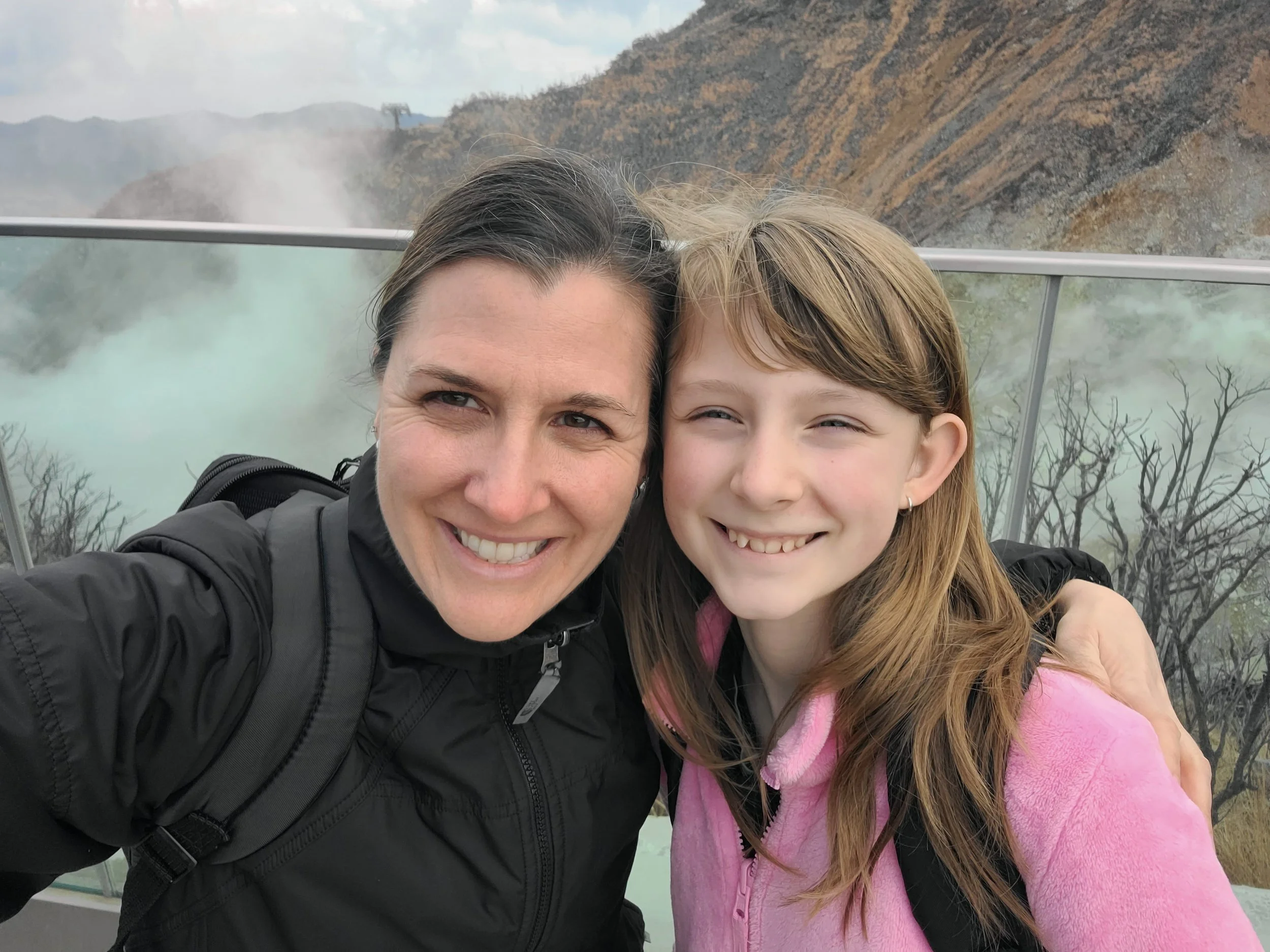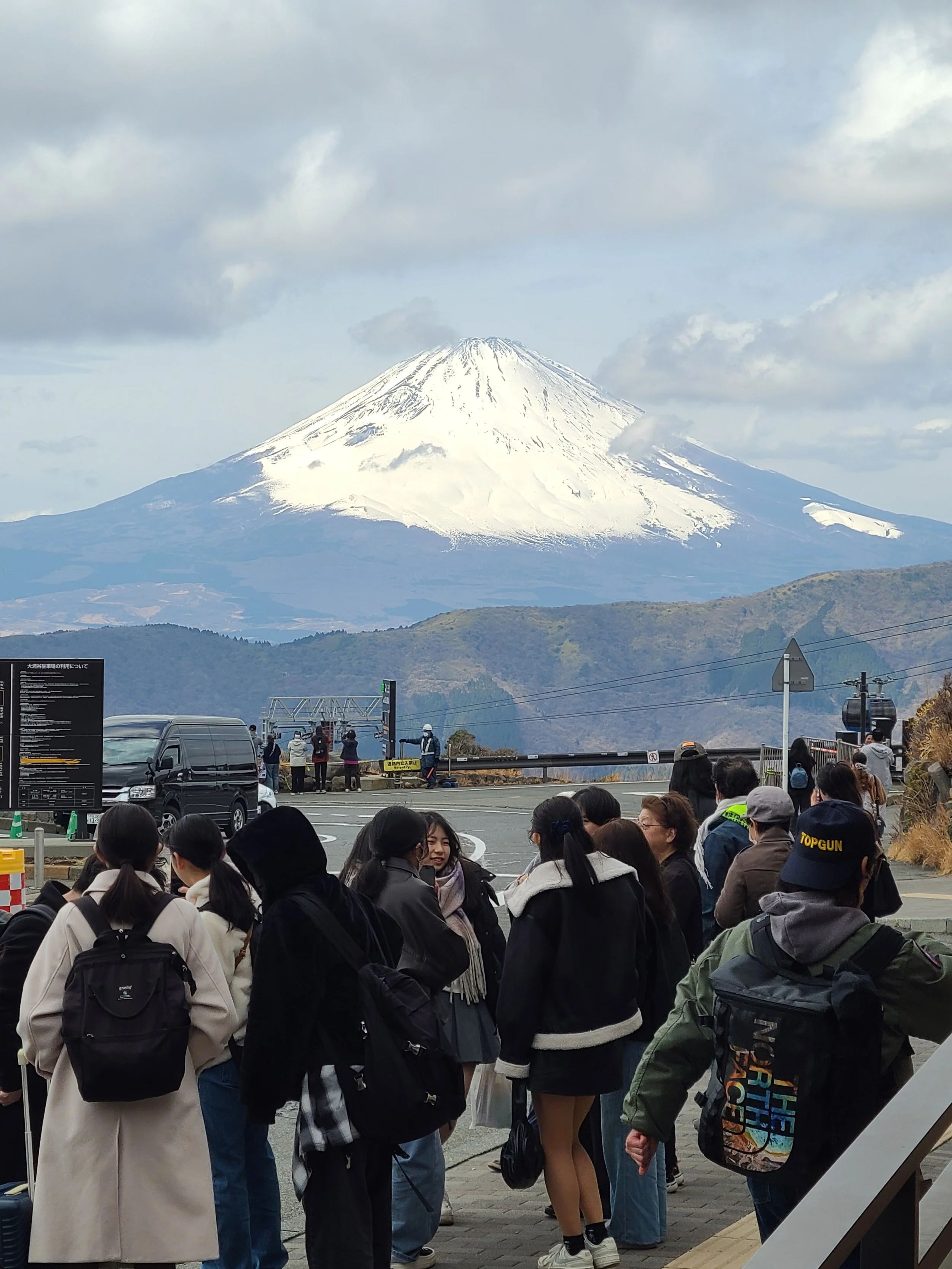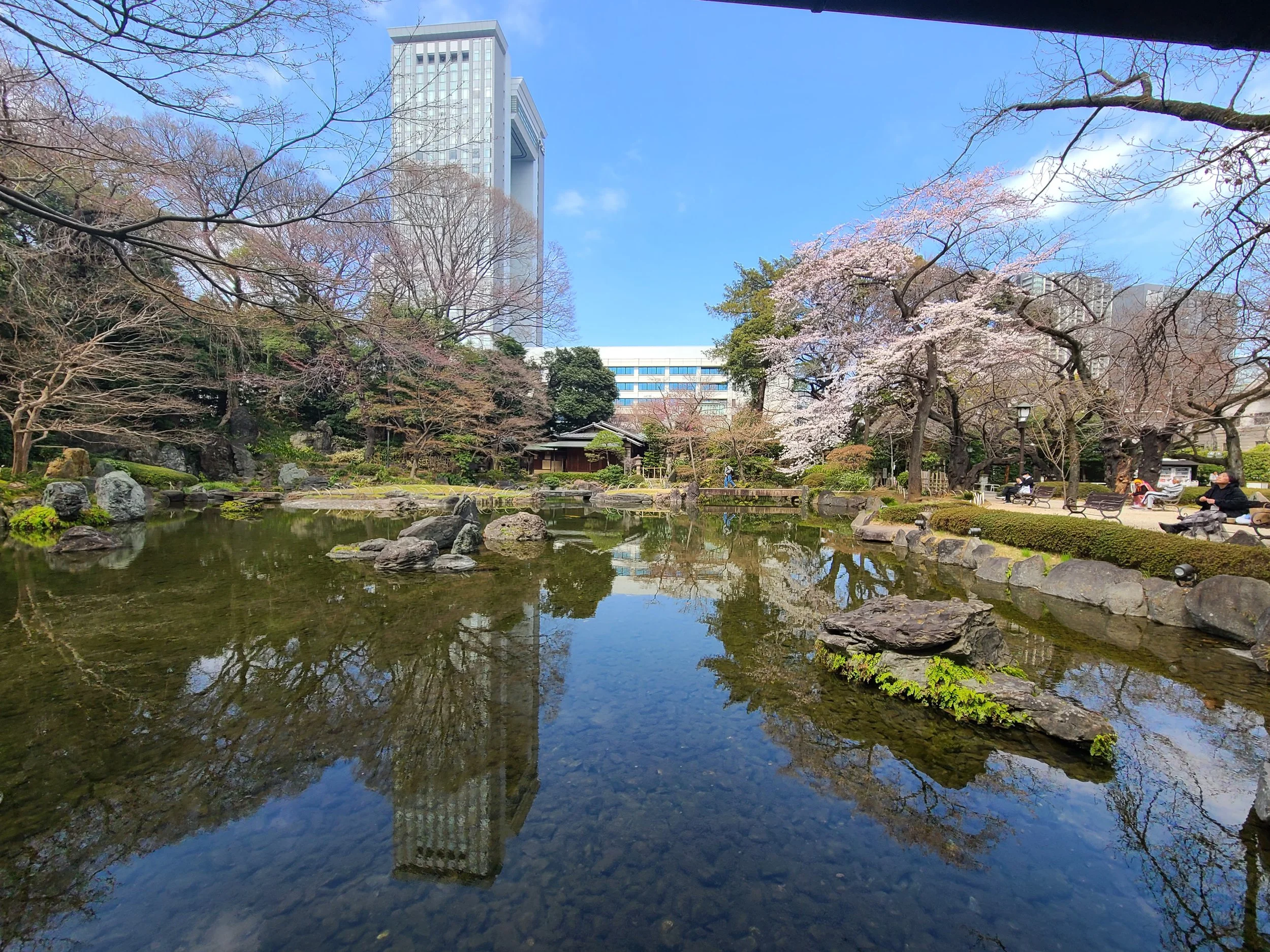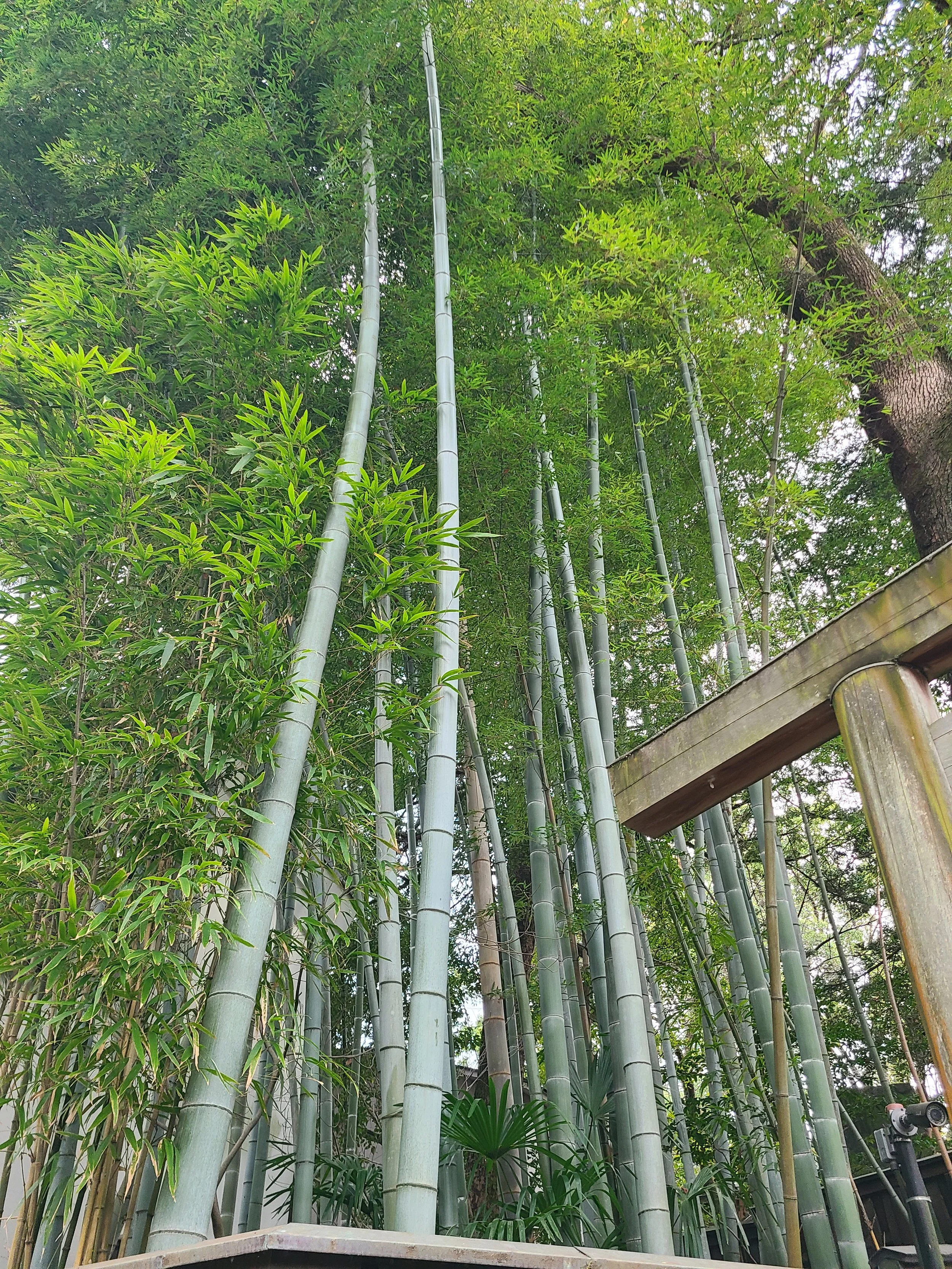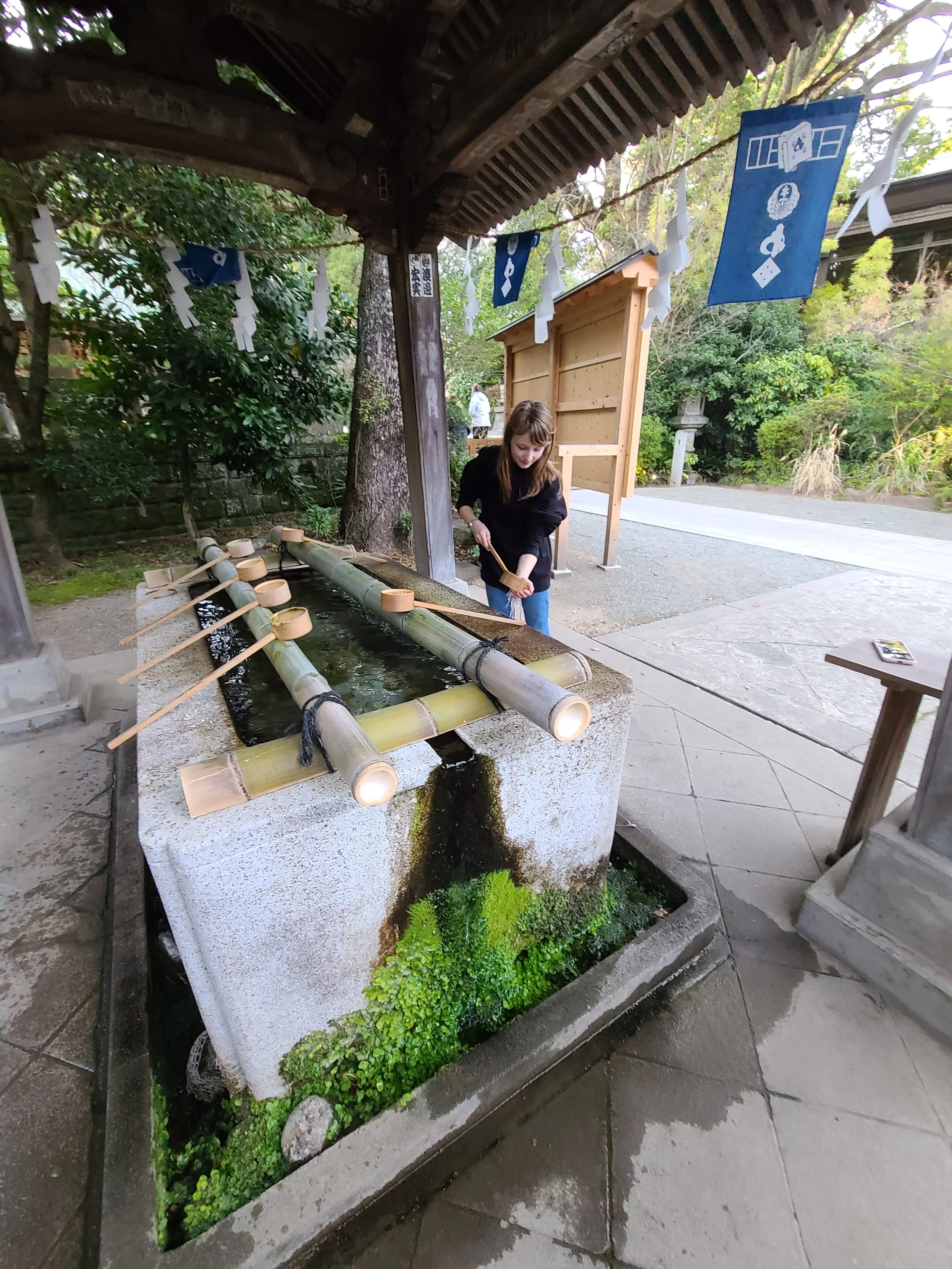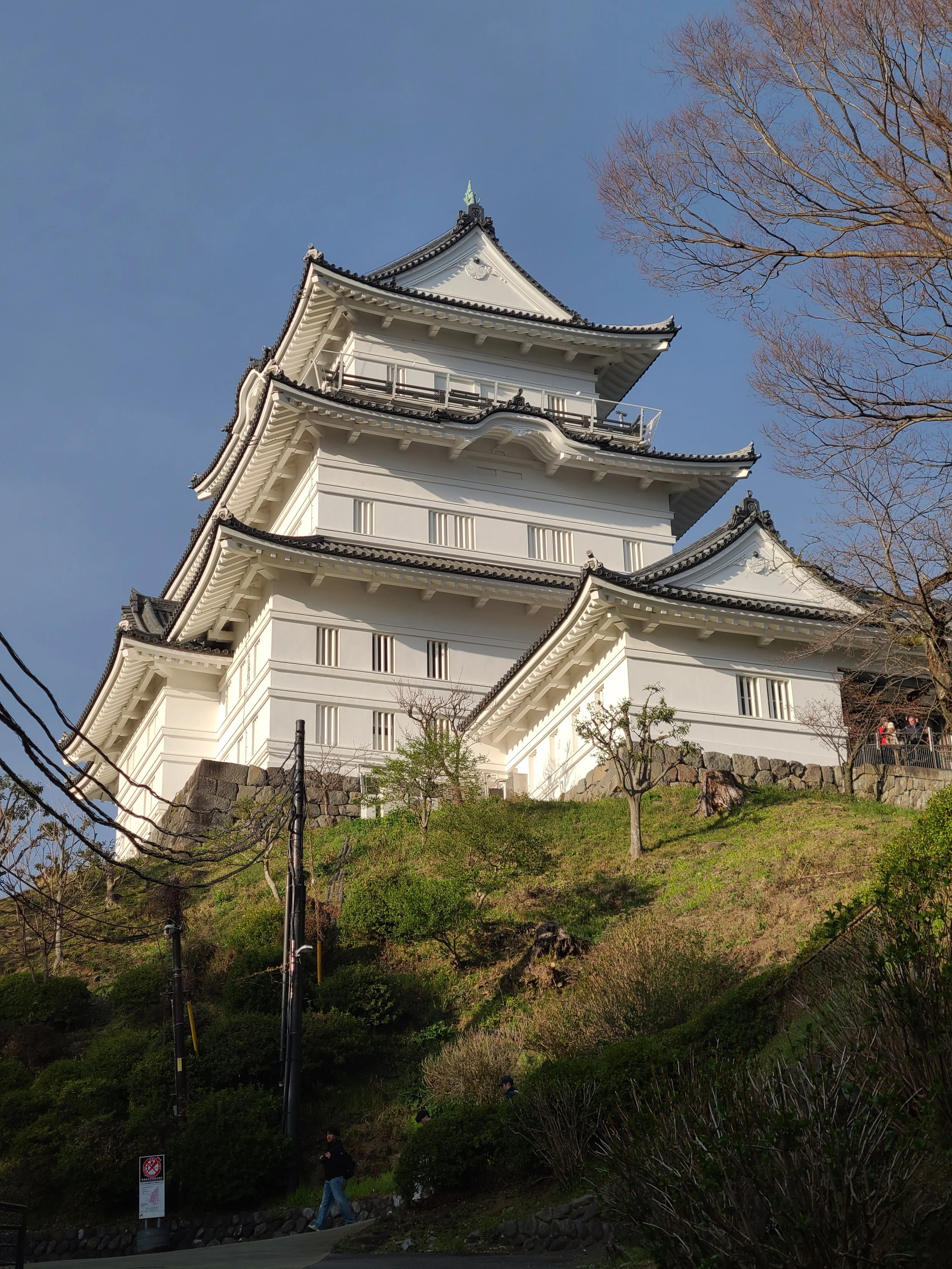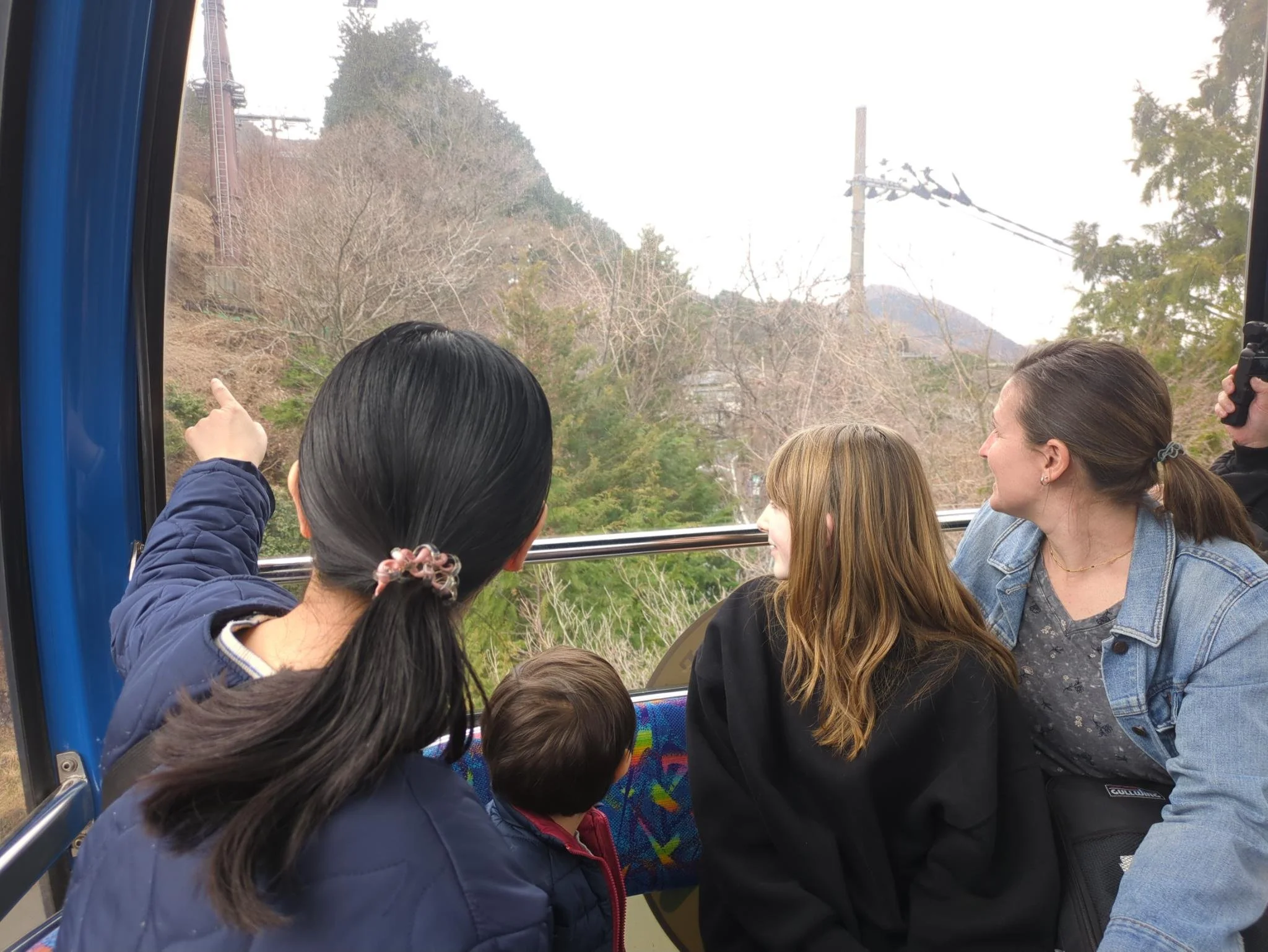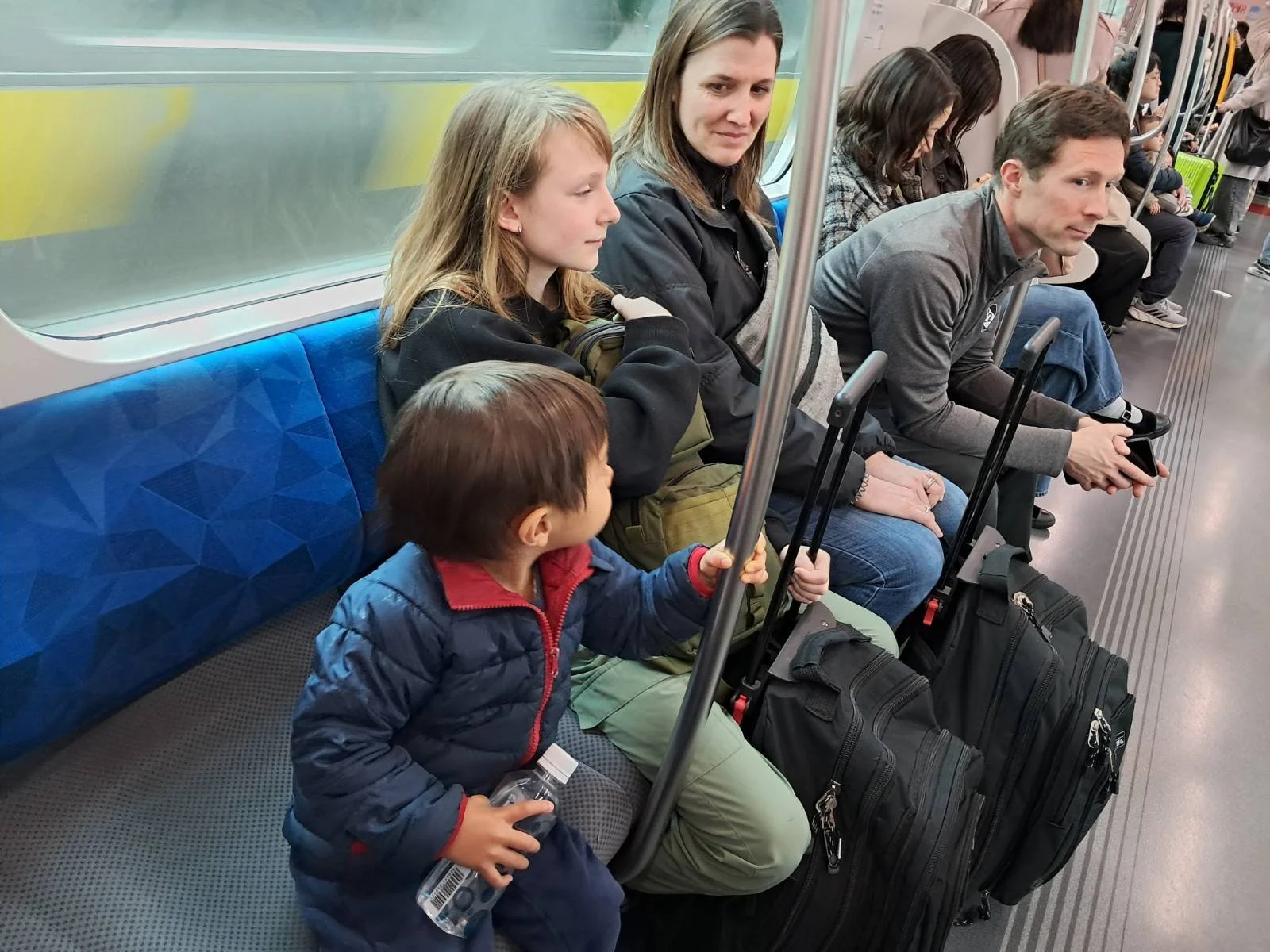
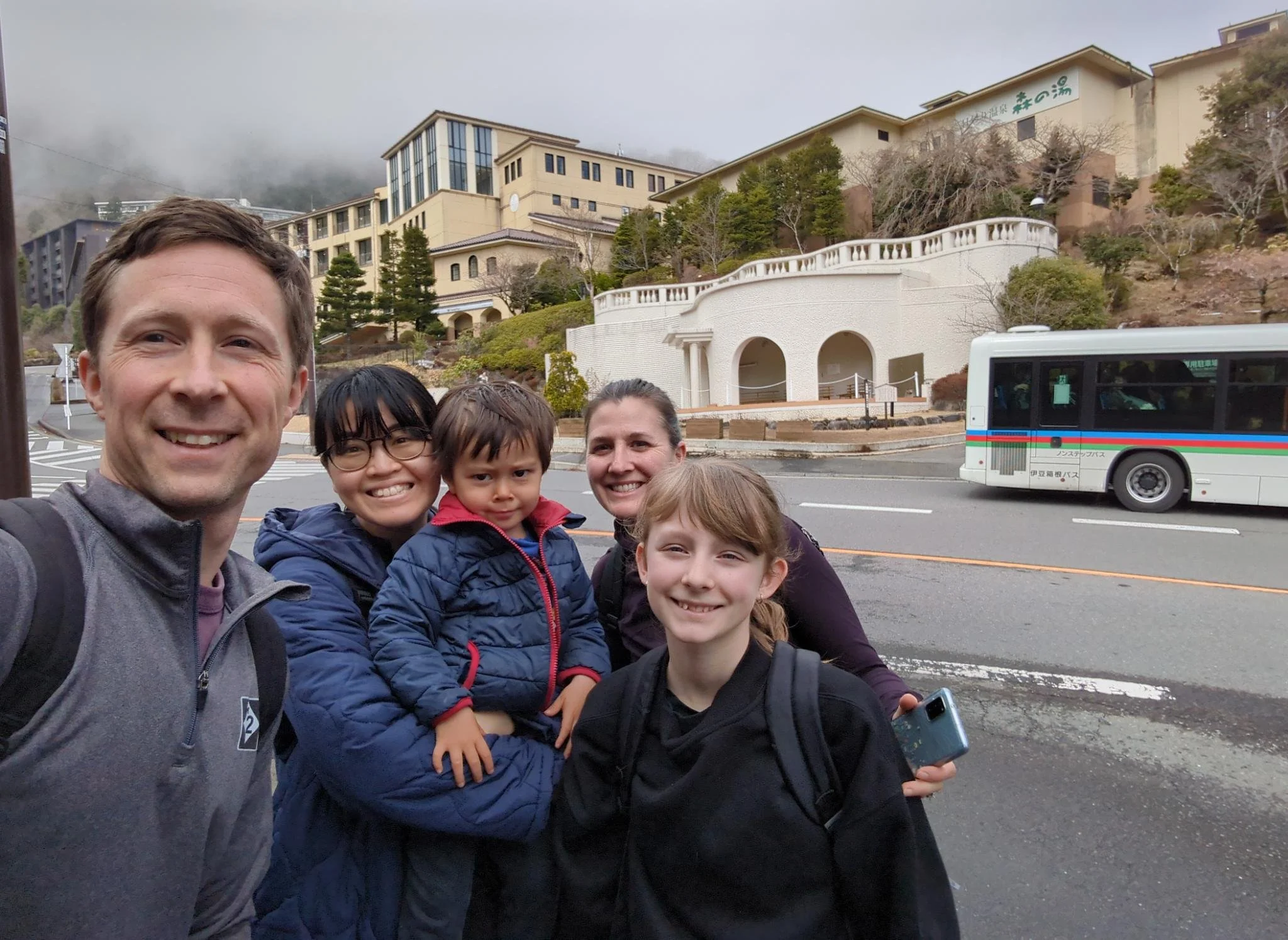
Aaron Bagley (staff) and her daughter, Autumn, traveled to Chiba, Japan to visit the Reyhl’s (a missionary family we support).
West Side Family,
As many of you know, we support Luke and Hitomi Reyhl, a missionary family serving in Asia, currently in Chiba, Japan. My family, our small group, and several other church members support them as their Care Group by keeping in touch, finding out their needs, and most importantly through prayer.
In March, my 12-year-old daughter Autumn and I were blessed to be able to make the trip over there and spend a little over a week with them—thank you everyone who helped make that possible for us by giving to missions and sponsoring Autumn! What an amazing and memorable experience we had. While we ate some incredible food and saw many incredible sites, the biggest impact on me was how unreached the people of Japan are with the gospel.
Japan is modern, first world, technologically savvy; they have freedom of religion and there is a large presence of missionary schools from post-World War II. This does not seem like a typical foreign mission field. However, missionaries have routinely failed in Japan compared to other countries in the region. Here is what Autumn and I were able to observe and learn while spending time with Luke, Hitomi, and their son Kento.
Culture, Priorities, and Values
Japan is a very closed culture—if you aren’t Japanese, you’ll never really be “in”. They are communal, live close to one another and everyone wants to be near other people. Chiba is more rural than Tokyo, but still quite urban by Traverse City standards. Houses do not have large yards, if they have one at all, but it is easy to travel by foot to anywhere you need to go to. People can walk to the grocery store, clinic, bank, shops, bus stop, and parks. The Reyhl’s have one car, which is easy for them to share since public transport is so easily accessible.
Japanese communities are designed for close-proximity living and they are a culture of respect and honor. We noticed a general demeanor of “you before me” in all things (at the subway stations, on the trains, when eating meals, etc.). People seem to try to keep public spaces comfortable for everyone—no loud conversations in person or on the phone. Even in the general rush of the subway nobody is pushing you over, shoving, or alternatively, being slow and in the way. These ways of life are very biblical—but without Jesus.
They are “spiritual” people who believe in many gods, and they believe the gods live in natural things like trees, rocks, the bodies of water—which is why you will find no swimming in lakes or bodies of water, except hot springs. Their rituals at shrines seem to be more out of respect for their culture than of actual religion or reverence to the gods they believe in. These customs are typically how people are raised and become status quo.
Traditional Japanese business culture is one where jobs start early (7-8am) and go late (7-9pm). They are not necessarily very productive but rather focus on the process and hierarchy. “Drinking parties" are a part of many jobs, keeping dads and even some mom’s out into the late evening. These can be a few times a week, to once a month; this depends on the company a person works for and the internal culture of that company. We were surprised to get to witness several of these one evening as we had dinner. The work situation might be considered the plight of the Japanese people; they either participate in it or are viewed slightly less than their peers. Job openings at international companies are in high demand because the schedule is less rigorous.
There were more dogs than babies and we saw many, many, many dogs riding in strollers. One day we were looking for Hitomi and Kento in a crowded city area and as I looked over the crowd, I thought it was going to be a challenge because there appeared to be a ton of strollers and children in them. I looked closely and noticed that most of the strollers were carrying dogs! And one raccoon, but that’s another story. The government is trying to incentivize family growth due to consistently low birth rates. In 2025, adult diapers sold more than baby diapers. A possible reason for the decline in birth rate is their work culture. There is no time or relational energy to have children. Some also say it has to do with diet, particularly that of soy, and various living arrangements, such as small apartments or houses.
Mission Obstacles
Since it is a closed culture, it takes a long time to gain relational equity. Missionaries who come for what they deem “long term” of two to three years are not going to make much headway because in this kind of culture, two to three years is short-term. A long-term missionary in Japan would need to live there for ten years, or even a lifetime. The missionaries who come for only a few years tend to make it harder for those people who are there long term. Missionaries who come for a couple of years to evangelize often give the Japanese a poor experience with foreign missionaries—they deliver the gospel through a firehose, using “fire and brimstone” messages. They tend to give poor experiences to locals, who write foreigners off as jokes and then when they cross paths with people like Luke they do not want to interact. It is better and more effective to be loving, hospitable, friendly, and create relationships first, which takes a lot of time in this culture.
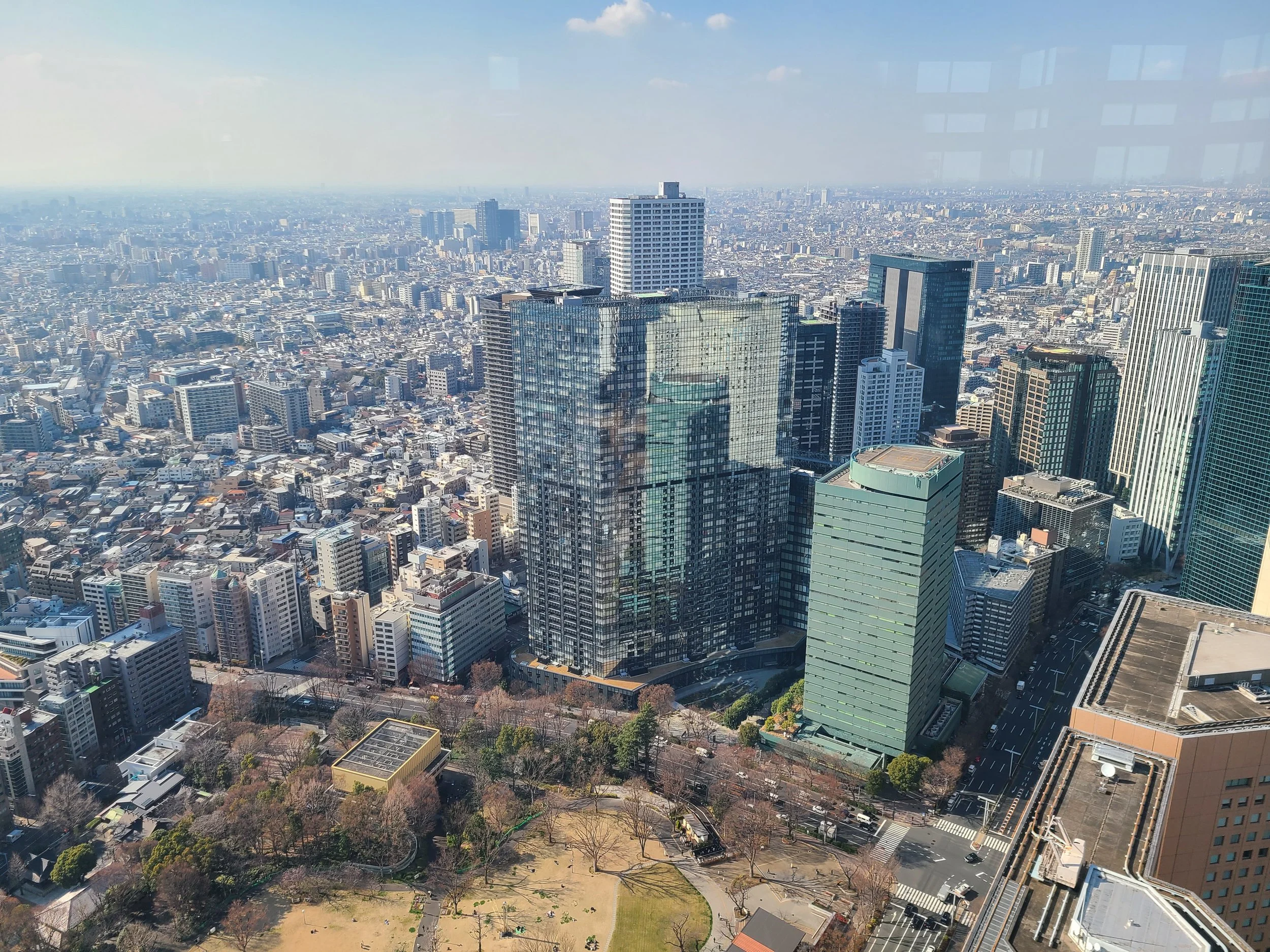
At one point we were in one of the busiest subway stations in the world, where 3 million passengers pass through in a single day, and Luke pointed out that 99% are not Christians. This was an incredible picture and way to visualize the extent of how unreached they are. I was ready to move my family to Japan right then and there. But then God reminded me that the U.S. is similar in all of our “freedoms” but how many people really know or have heard about Jesus? So, for now, I need to work more fervently in my own “back yard”.
Another obstacle is the language. It is hard to share the gospel in Japanese because many concepts do not translate. The language is one of reading the "air"—if you’re not raised to read the room the way they are it can be hard to truly “hear” everything being said. Luke always takes the opportunity to speak to people who greet him in English as a missions opportunity because of this. The more English someone knows, the more Christians they have access to and the more Christian resources (as most Christian resources are in English) they have access to. This point could also go below, in opportunities.
Opportunities
Wedding ceremonies are missionary opportunities. Luke said Japanese are often “born a Shinto, married a Christian, and die a Buddhist”. They want the traditional western style Christian marriage ceremony. Missionary pastors can offer their services as an English-speaking Christian pastor to perform the ceremony, offer it free of charge but require a few pre-marriage counseling sessions and use this as an opportunity to gain relational equity and preach the gospel to the couple. He knows a pastor who does this and has had many Japanese return after the wedding to talk, ask more questions, invite them to be present for blessing a baby at birth, etc. Teaching English is also a great mission opportunity.
Luke and Hitomi’s Role and Our Partnership
Luke is a missionary to missionaries. He assists all missionaries coming into Asia for Teach Beyond—the who, what, when, where, and how of entry, living, maintaining life while living there and exiting. Hitomi is a great link between the cultures—she has access (whether through speaking the language or by being Japanese) that helps Luke.
West Side will continue to support the Reyhl’s and their ministry in Japan, but I see a new and different kind of partnership—one that Autumn and I were able to be the “guinea pigs” for. Luke’s expertise and passion, as well as the home God has blessed them with (one originally designed for multigenerational living) which offers space for visitors is an incredible opportunity.
While it would not make sense to send project based short term teams, we can send a few people, adults, and youth to help with reconfiguring/upgrading their guest living space, and as an educational trip to learn from them what it is like to make mission work a “career” (for lack of a better word). As he did with me and Autumn, he can show us how to provide the Japanese people with a good foreigner experience. And of course, what a blessing to be able to spend time in person with the Reyhl’s and really get a taste of the work they’re doing.
Are you interested in more details on how this would work? Reach out to aaron@tcwscc.com or the church office.
A Couple of Resources:
Read a great article on Christianity in Japan recommended by Hitomi that captures a lot of what mission work is like in Japan.
Watch/listen to “The Blessing” sung in Japanese from churches and ministries across Japan that goes with the blessing below.
神の祝福がありますように
Kami no shukufuku ga arimasu youni
May you have God’s blessing