STUDY RESOURCES
The Gospel of John
“It’s a dangerous business, Frodo, going out of your door. You step into the road, and if you don’t keep your feet, there’s no knowing where you might be swept off to.” – Bilbo Baggins
The same can be said for studying the Bible—a dangerous business. Once you open up the Gospel of John, there’s no knowing where you might be swept off to. What sweet trail you might walk down and what glory you might find. John is the most theological of the Four Gospels. It has the highest emphasis of Jesus’ divinity, of the Holy Spirit, of the Trinity, and of evangelism.
Sermon series below.

John writes so that we would see Jesus revealed in signs and glory, and receive him unto eternal life, rather than reject him unto eternal death. Believe in Christ and live.
Study Guide
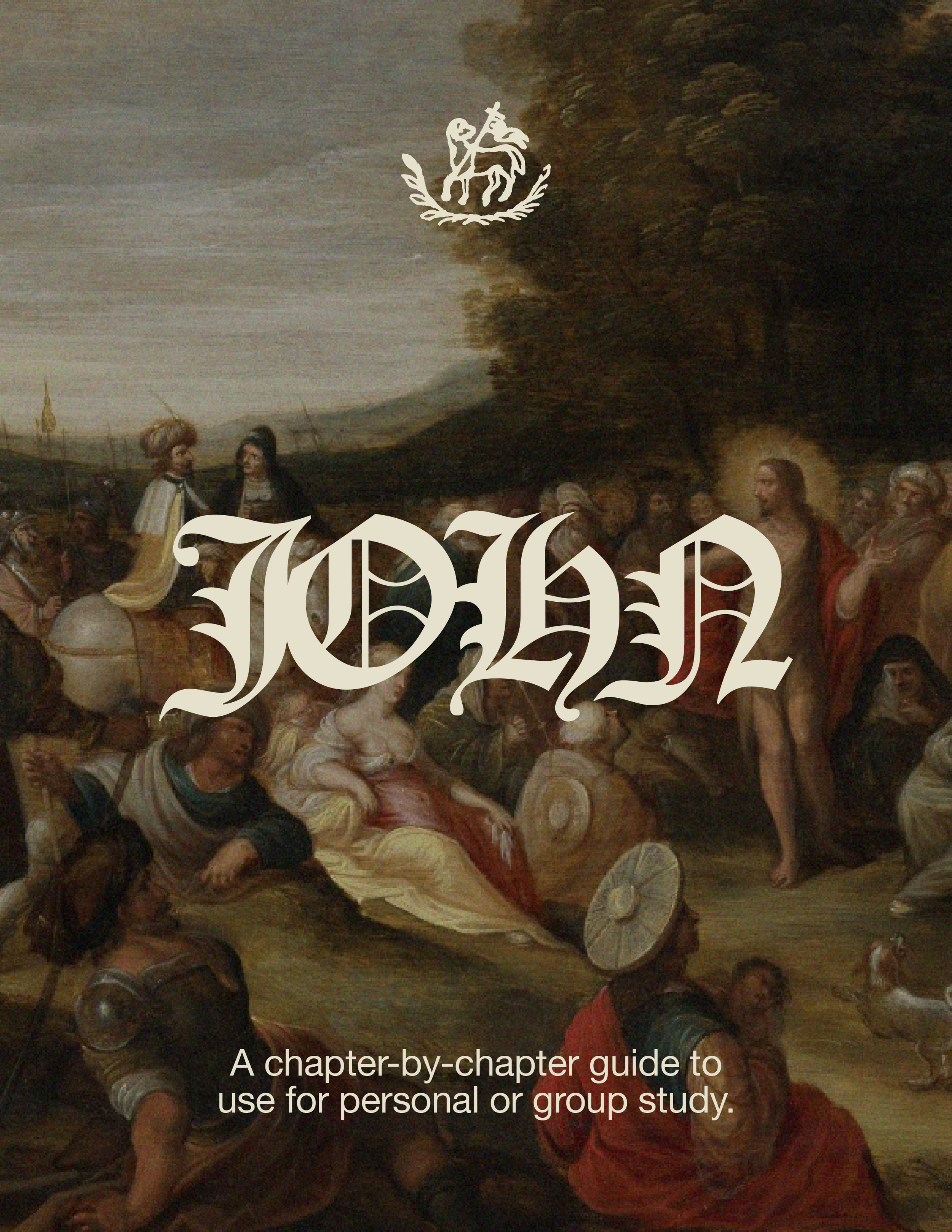
One meal a week is insufficient to survive, let alone thrive. The same is true if you only eat on Sunday morning. Below is a chapter-by-chapter guide to deepen your study of John’s Gospel.
The John: Study Guide will include a breakdown of the chapter, a summary, key verse, and discussion questions. The link (below) will be updated.
We pray you use it for personal or group study and that you would come to know and love Jesus more because of it.

Mark Vroegop
From chapter one to twenty-one, the aim of John’s account of Jesus’ life and teaching is to call people to believe in the Son of God. The stories and the order in which John shares them are designed to call non-believers to trust in the Messiah. The teaching which John records is intended to demonstrate the authority of Jesus.
Chapter by Chapter
-
“It’s a dangerous business, Frodo, going out of your door. You step into the road, and if you don’t keep your feet, there’s no knowing where you might be swept off to.” – Bilbo Baggins
The same can be said for studying the Bible—a dangerous business. Once you open up the Gospel of John, there’s no knowing where you might be swept off to. What sweet trail you might walk down and what glory you might find. John is the most theological of the Four Gospels. It has the highest emphasis of Jesus’ divinity, of the Holy Spirit, of the Trinity, and of evangelism.
Andreas Köstenberger notes, “John was probably the last to write his Gospel, about a generation after Matthew, Mark, and Luke, in the AD 80s or early 90s. While these earlier Gospels (commonly referred to as “Synoptics”) closely resemble each other, John’s Gospel is largely unique.”[1] Which is precisely why it is such a wonderful endeavor to take.
As we venture to study John’s Gospel, it is good to check your supplies, review the map, and be mindful of our desired destination. Who wrote John? How was it written? Why was it written? These seem like simple questions (and to a degree, they are) but they are important to answer before a deep study.
-
“And the Word became flesh and dwelt among us, and we have seen his glory, glory as of the only Son from the Father, full of grace and truth.” (John 1:14)
Breakdown of John 1:
The Eternal and Creative Word (1:1-3)
The Light and Not the Light (1:4-8)
Revealed, Rejected, or Received (1:9-13)
The Incarnation of Christ (1:14-18)
A Confessional Life (1:19-28)
Behold, the Lamb of God (1:29-31)
The Holy Trinity (1:32-34)
Come, See, and Stay (1:35-42)
Uncomplicated Disciple Making (1:41-45)
The God Who Sees You (1:46-51)


D.A. Carson
This series should concentrate on Jesus himself, on the fathomless Christological wealth bound up in this Gospel.
Commentaries

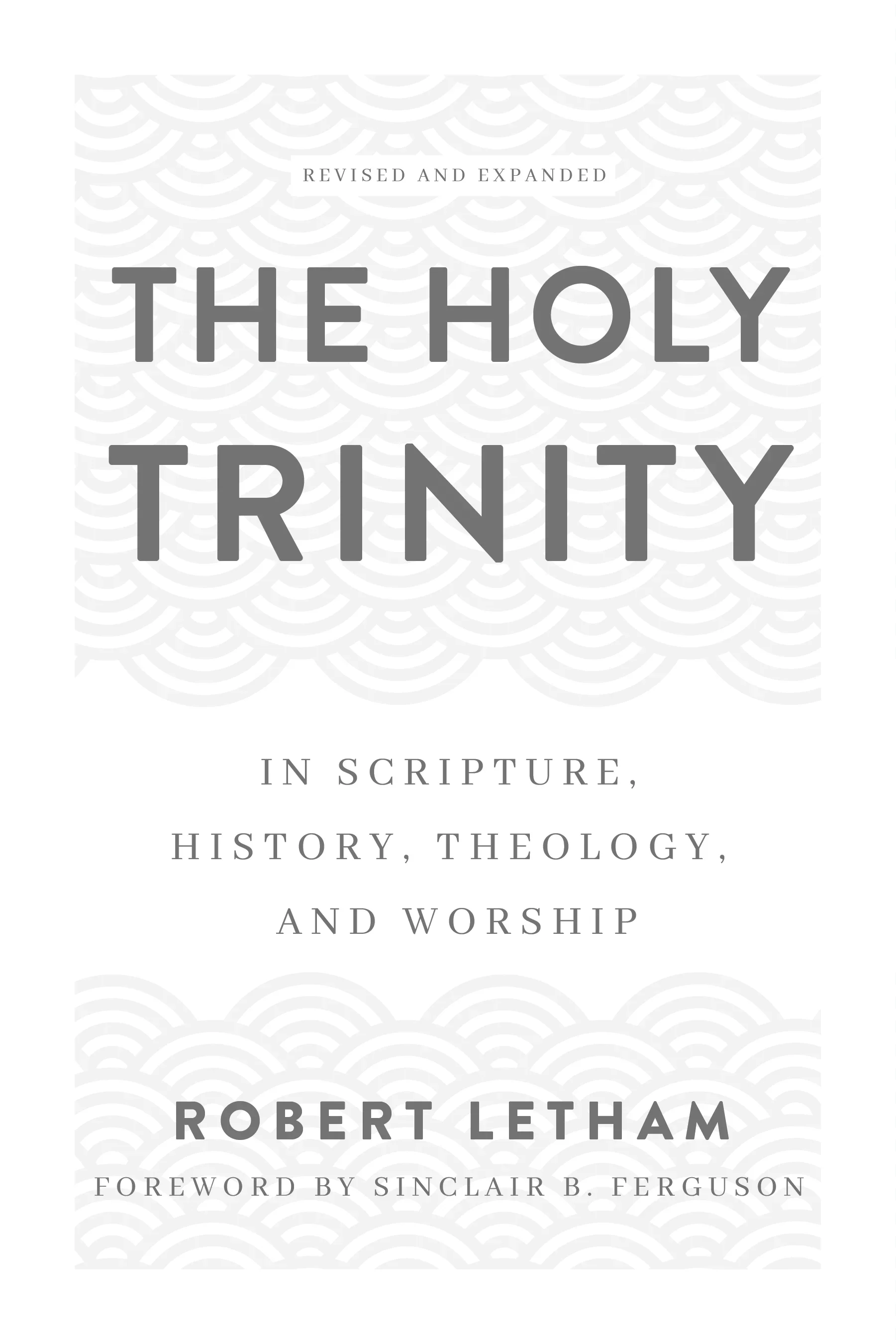
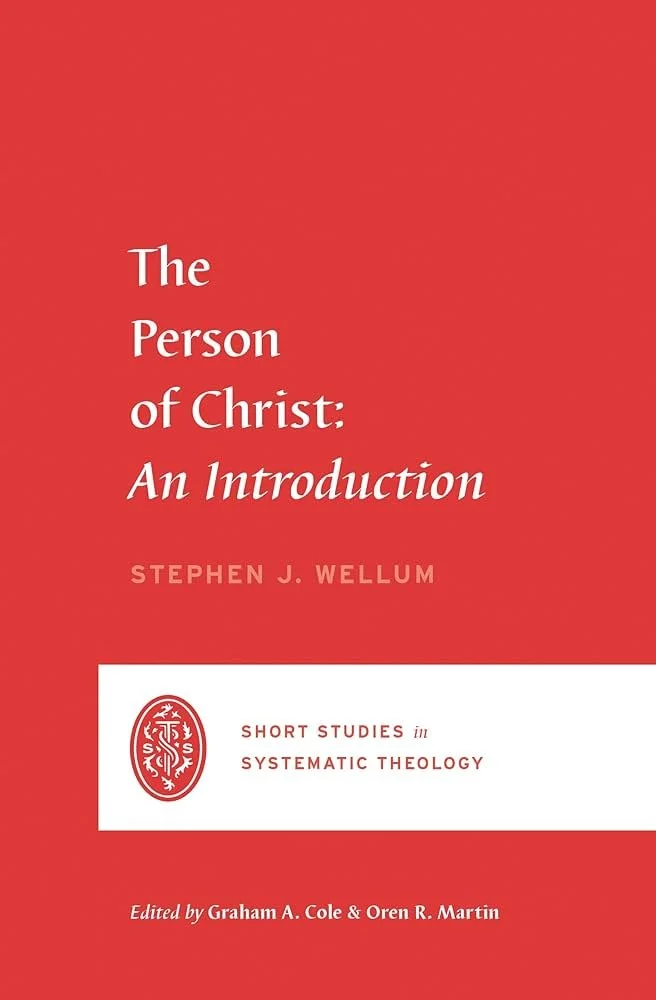
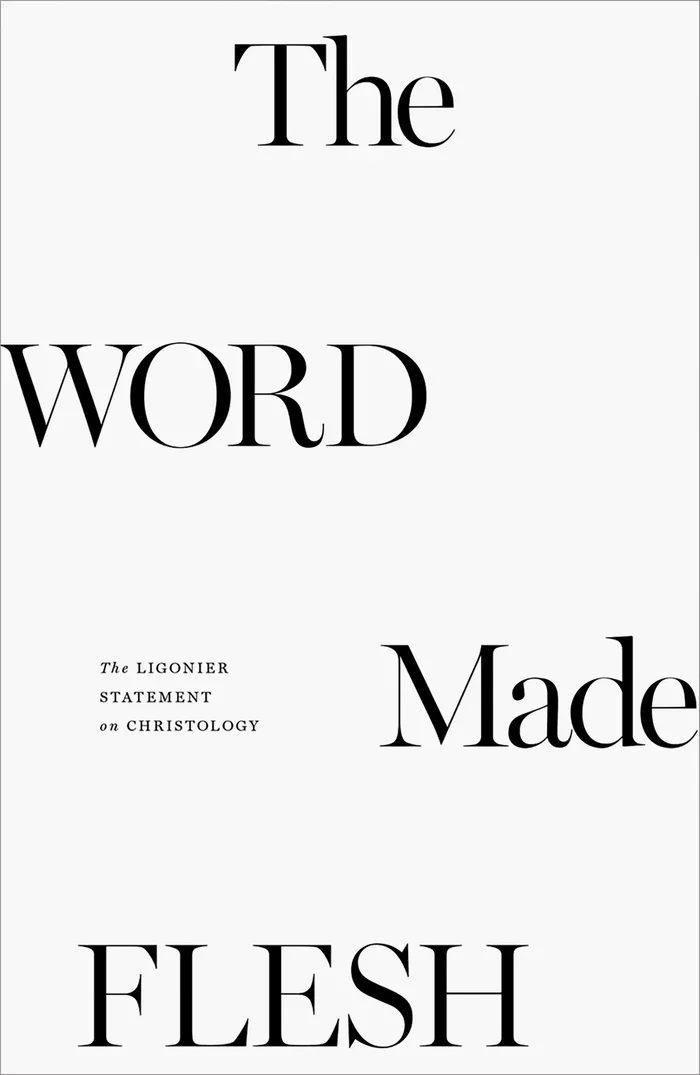
Trinity & Christology
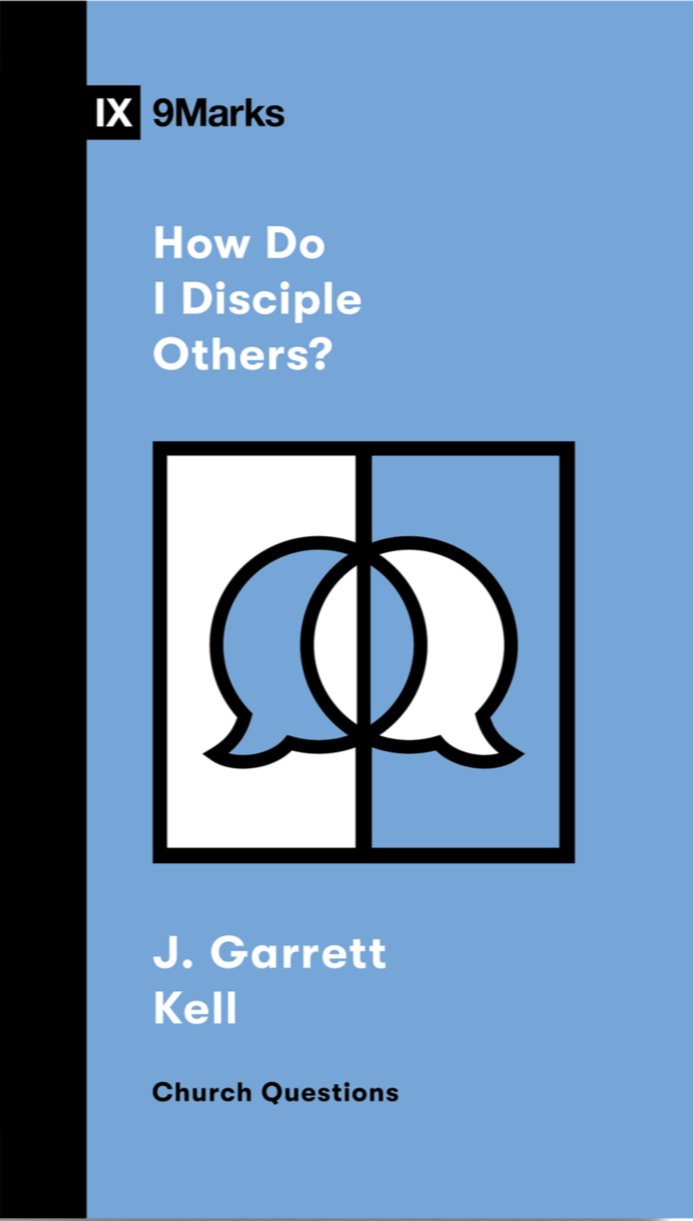
Disciple Making